Digital Marketing for Small Business: The Great Equalizer
By Craig Lawson, Founder & CEO of ClickReady Marketing. Craig has led SEO and Google Ads campaigns for service businesses since 2010 and heads one of the top 3% of Google Partner agencies nationwide.
In 1985, you could tell which small businesses were doing well by their marketing. The quarter-page Yellow Pages ad. The radio spot during morning drive time. The 800 number. Those things cost real money, and most owners simply couldn't afford them.
Digital marketing for small business has flipped that world upside down. The tools that once separated the "rich" companies from everyone else are now free or close to it. If you run a small business today, you have more marketing power in your pocket than a regional chain had in its entire 1985 budget.
So why do some small businesses still dominate their market while others stay invisible? That's the real story. Let's start with what "elite" used to look like.
The Marketing Status Symbols of 1985
Forty years ago, a handful of purchases signaled that a business had arrived:
The big Yellow Pages ad. A display ad in the phone book could run thousands of dollars per year, locked in for 12 months whether it worked or not. The businesses with full-page ads were the ones everyone assumed were the best.
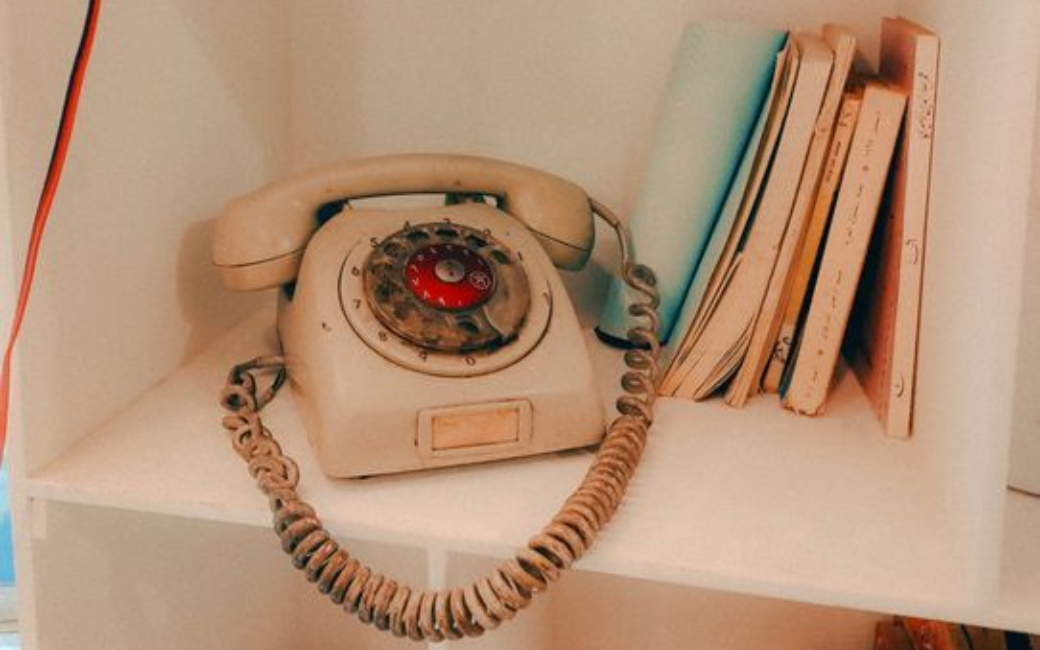
A toll-free 800 number. This was pure prestige. An 800 number told customers you were a "real" company, maybe even a national one.
Radio and TV spots. Broadcast advertising reached everyone in the market, and it was priced that way. A local plumber buying drive-time radio was making a statement.
A computer system. A mid-80s point-of-sale or accounting setup could cost more than a new car. Most shops ran on paper, a ledger, and a good memory.
Market research. Want to know what customers were searching for? You hired a research firm or you guessed. Almost everyone guessed.
What Those Same Tools Cost Today
Here's the same list, priced in 2026:
- The Yellow Pages ad became a Google Business Profile . Cost: free.
- The 800 number became a tracked local number with call recording and transcripts. Cost: a few dollars a month.
- The radio spot became a Google Ads campaign you can start at $10 a day, aimed only at people actively searching for what you sell.
- The $20,000 computer system became cloud software at $30 a month.
- The market research firm became Search Console, GA4, and your own call data . Cost: free.
Drive-Time Math: A single week of 1985 drive-time radio in a mid-size market often cost more than a full month of a targeted Google Ads campaign does today. And the radio buyer never knew which callers came from the ad. Today, every click, call, and form fill can be traced back to the exact keyword that produced it.
The most underrated change is that last one: measurement. In 1985, "how did you hear about us?" was the entire attribution model. Today a plumber in Dawsonville can know that a Tuesday afternoon call came from the search "water heater replacement near me." That knowledge was unavailable at any price 40 years ago.
How Digital Marketing Leveled the Playing Field
This is the part worth sitting with. Local SEO, paid search, and social media didn't just make marketing cheaper. They changed who gets to compete.
Local search rewards relevance, not budget
When someone searches "family law attorney near me," Google doesn't rank the firm with the biggest ad budget first. It ranks the firm with the strongest local signals: a complete profile, steady reviews, relevant content, consistent citations. A two-attorney office can outrank a 50-attorney firm in its own zip code by doing those things better.
Social media gave small businesses a broadcast channel
In 1985, only businesses that could afford airtime got to talk to the whole market. Now a restaurant can post tonight's special to thousands of local followers for nothing. The reach that once required a media buyer now requires a phone and fifteen minutes.
SEO turned expertise into visibility
A small business that genuinely knows its trade can publish answers to the questions customers actually ask, and search engines will send those customers over. Knowledge became a marketing asset. That was never true in the phone book era, where the biggest ad won regardless of who was actually best.
The Catch: Everyone Has the Same Tools Now
Here's where the 1985 comparison gets uncomfortable. When the tools were expensive, having them was the advantage. Now that the tools are free, having them means nothing. Your competitor has a Google Business Profile too. They can run ads too. They can post on Facebook too.
The advantage moved from access to execution. Two landscapers in the same county have identical tools available. One shows up in the map pack for every service they offer. The other is on page three. Same tools, wildly different results.
What we tell business owners all the time: the free tools got everyone onto the field. They didn't teach anyone how to play.
Worth a Second Look: Before you spend another dollar on marketing, audit what you already own. An incomplete Google Business Profile, an unclaimed review platform, or a website with no service pages is free ground you're conceding. Most small businesses we audit are leaving visibility on the table that costs nothing to claim.
The Real Challenge in 2026: Choosing the Right Team
If execution is the new advantage, then the biggest marketing decision a small business makes today isn't which tool to buy. It's who runs the strategy.
This is harder than it sounds. The low cost of entry that helped small businesses also flooded the market with marketing providers of wildly uneven quality. Every owner has heard the pitch, and plenty have been burned by an agency that locked them into a contract and disappeared.
A few things separate a real partner from a vendor:
- Measurement you can see. If an agency can't show you which keywords, ads, and pages produce actual phone calls, they're selling 1985 attribution at 2026 prices.
- Strategy tied to your market. A law firm, a restaurant, and a home services company need different playbooks, not the same template with a new logo.
- Access to real people. You should be able to talk to the humans doing the work.
As an industry leader in SEO and paid search for service businesses, ClickReady Marketing built its reputation on exactly that gap: showing owners live data in real SEO sessions, publishing prices, and tracking every campaign down to the call. It's the difference between buying tools and buying outcomes.
The Phone Book Is Closed. The Search Bar Is Open.
The small business owner of 1985 would trade almost anything for what you have right now: free visibility, targeted advertising, and proof of what works. The playing field really did level. What hasn't changed is that the businesses that treat marketing as a craft still beat the ones that treat it as a checkbox. If you want to know where your business stands, start with a complimentary site audit and a no-pressure conversation.
FAQs
What's the best digital marketing for small business owners just getting started?
Start with the free foundation: claim and fully complete your Google Business Profile, build steady reviews, and make sure your website has a page for every service you offer. Once that's in place, targeted Google Ads and local SEO deliver the fastest measurable returns because they reach people already searching for what you sell.
How much should a small business spend on digital marketing in 2026?
Most small service businesses invest 5–10% of revenue in marketing, but the split matters more than the total. Prioritize channels with trackable results (search, local, paid ads) before brand-awareness spending. A smaller budget with full call and conversion tracking will outperform a bigger budget you can't measure.
About the Author
Craig Lawson is the founder and CEO of ClickReady Marketing, an Atlanta-area SEO, PPC, and AI search optimization agency he launched in 2010 with co-founder Debbie. Before ClickReady, Craig spent years on the other side of the table, in B2B sales at G&K Services and JW Outfitters, running his own consulting firm, and building and selling two coffee shops and a retail business in North Georgia. That operator background shapes how he approaches marketing: leads and revenue over vanity metrics. Today ClickReady is a Google Premier Partner (top 3% of Google Partner agencies), a BBB A+ Accredited Business, and Georgia Business Journal's Best of Georgia digital marketing winner. Craig hosts ClickReady's Live SEO Sessions, where clients watch optimization work happen in real time.