What Is Query Fan-Out? AI Search, Explained With Fans
By Craig Lawson, Founder & CEO of ClickReady Marketing. Craig has led SEO and Google Ads campaigns for service businesses since 2010 and heads one of the top 3% of Google Partner agencies nationwide.
Type one question into Google's AI Mode or ChatGPT, and something happens that you never see. The AI doesn't run your search once. It quietly splits your question into a dozen smaller ones, runs them all at the same time, and stitches the results into a single answer.
That process is called query fan-out , and it's quietly rewriting the rules of SEO.
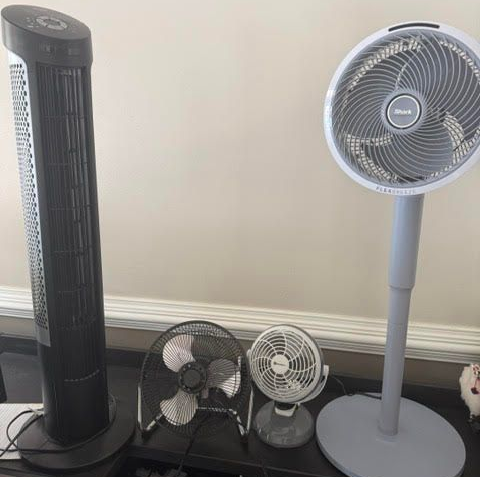
We could explain it with a diagram. Instead, we walked around our office and photographed every fan we own. Turns out four fans tell the story better than any flowchart.
The Old Way: One Query, One Answer
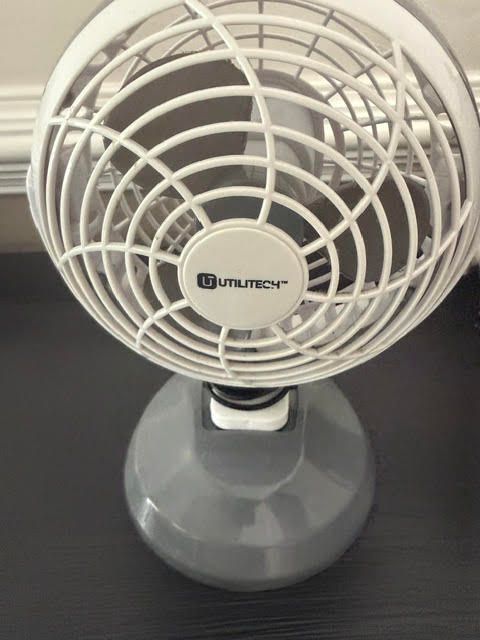
Meet the little desk fan. One speed, one direction, does exactly one job.
That's traditional search. You typed "plumber Atlanta," Google matched that phrase against its index, and you got ten blue links. SEO was straightforward: pick a keyword, build a page around it, earn the ranking.
For twenty years, most SEO strategy looked like this little fan. Point it at one keyword and let it blow.
Query Fan-Out: One Hub, Many Blades
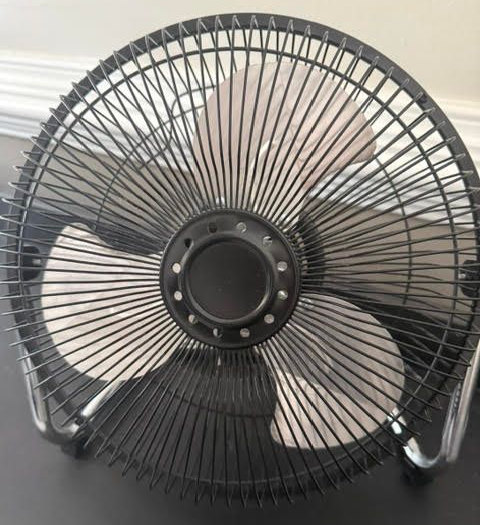
Now look at this close-up. One central hub, blades radiating out in every direction.
That's exactly what happens when you ask an AI a question. Say you search "best fence for a backyard with dogs." The AI treats your question as the hub, then fans out sub-queries like:
- What fence heights contain large dogs?
- Wood vs. vinyl vs. chain link durability
- Average fence installation cost per foot
- Do dogs dig under fences?
- Fence regulations in residential neighborhoods
Each blade is its own search, running in parallel. You asked one question. The AI asked eight or ten on your behalf.
Here's why that matters for your business: your website can get pulled into an answer for a question the searcher never actually typed. If your fence company has a great page on dig-proof fencing, you can show up in that AI answer even though the user never searched "dig-proof."
🌀 Blade Check: Pick your most important service page. Write down five questions a real customer would ask about that service: cost, timeline, comparisons, problems, "is it worth it." If your page only answers one of the five, you're a single blade in a fan-out world. Add the other four.
The Swirl: How AI Blends It All Back Together
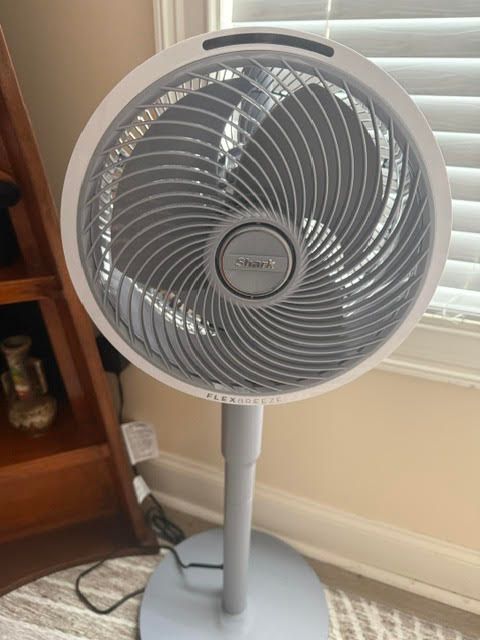
Fan number three has that hypnotic swirl pattern on the grille. It's the perfect picture of the final step: synthesis .
After the sub-queries come back, the AI doesn't hand you ten links per question. It blends everything, a stat from one site, a comparison from another, a price range from a third, into one smooth, conversational answer.
This is where AI search optimization gets real. The AI cites the sources it pulled from, but only a few of them. Getting cited means being the clearest, most quotable answer to at least one of those invisible sub-queries.
What Makes Content "Quotable" to an AI
Short, direct answers near the top of a section. Clear headings that match how people ask questions. Specific numbers instead of vague claims. If a section of your page can be lifted out and still make sense on its own, it's citation-ready.
Why Thin Pages Get Skipped
A 300-word page that dances around the topic gives the AI nothing to grab. It answers no sub-query fully, so it makes it into no synthesis. Thin content didn't work great in traditional SEO. In fan-out search, it's invisible.
The Oscillator: Cover the Whole Topic
The tall tower fan doesn't blow in one direction. It sweeps.
That's the strategic shift query fan-out demands. Instead of one page targeting one keyword, you need coverage that sweeps across the full topic: the costs, the comparisons, the objections, the how-tos, the "what happens if" questions. In SEO circles this is called topical authority, and AI search just made it non-negotiable.
What we tell clients is simple: stop asking "what keyword should this page rank for?" and start asking "what are the twenty questions a customer asks before they buy this, and where do we answer each one?"
💨 Cross-Breeze: There's a tension worth sitting with here. AI answers mean fewer clicks overall. But the clicks that do come through arrive better informed and closer to buying. Fewer visitors, warmer leads. Your traffic report might dip while your close rate climbs.
Don't Get Blown Away
Search didn't die. It multiplied. Every question your customer asks now spins off ten more behind the scenes, and the businesses that answer the most of them win the citation.
Take a walk through your own website this week and count the blades. If most customer questions come up empty, talk to our team and we'll help you cover the full sweep.
FAQs
What's the best way to optimize for query fan-out?
The best way to optimize for query fan-out is to map every question customers ask about your service, then answer each one directly on your site with a clear heading and a direct first-sentence answer. Depth on one topic beats breadth across many. Pages that fully answer a sub-query get cited; pages that partially answer several get skipped.
Does query fan-out mean keyword research is dead?
No, it means keyword research got a second job. Volume data still shows which topics matter, but now you also need question research: the comparisons, costs, and objections hiding underneath each keyword. Question reports and your own sales calls reveal the sub-queries AI generates on searchers' behalf.
About the Author
Craig Lawson is the founder and CEO of ClickReady Marketing, an Atlanta-area SEO, PPC, and AI search optimization agency he launched in 2010 with co-founder Debbie. Before ClickReady, Craig spent years on the other side of the table, in B2B sales at G&K Services and JW Outfitters, running his own consulting firm, and building and selling two coffee shops and a retail business in North Georgia. That operator background shapes how he approaches marketing: leads and revenue over vanity metrics. Today ClickReady is a Google Premier Partner (top 3% of Google Partner agencies), a BBB A+ Accredited Business, and Georgia Business Journal's Best of Georgia digital marketing winner. Craig hosts ClickReady's Live SEO Sessions, where clients watch optimization work happen in real time.